November 11
Veterans Day
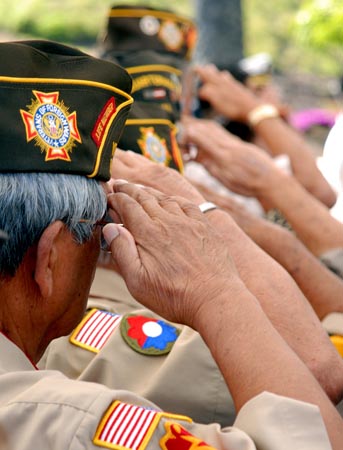
Veterans Day is an opportunity to publicly commemorate the contributions of living veterans. Armistice Day officially received its name in America in 1926 through a congressional resolution. It became a national holiday 12 years later by similar congressional action.
If World War I had been "the war to end all wars," November 11 might still be called Armistice Day. Realizing that peace was equally preserved by veterans of World War II and Korea, Congress decided to make the day an occasion to honor all those who have served America.
In 1954 President Dwight D. Eisenhower signed a bill proclaiming November 11 as Veterans Day. In 1978 Congress returned the observance to its traditional date after a brief change in 1968.
December 7
Pearl Harbor Day
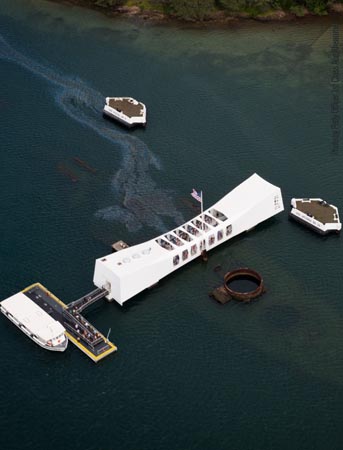
On the morning of December 7, 1941, Japanese bombers staged a surprise attack on U.S. military and naval forces in Hawaii. In a devastating defeat, the United States suffered 3,435 casualties and the loss of or severe damage to 188 planes, 8 battleships, 3 light cruisers, and 4 miscellaneous vessels.
The day after the attack, before a joint session of Congress, President Roosevelt asked for a declaration of war against Japan. President Roosevelt's message conveyed the national outrage by pronouncing December 7, 1941 "a date which will live in infamy."
FDR expressed confidence in the "inevitable triumph" of the United States. On December 8, 1941, the United States declared war against Japan; on December 11 Germany and Italy declared war against the United States.
Last Monday in May — Traditional: May 30
Memorial Day
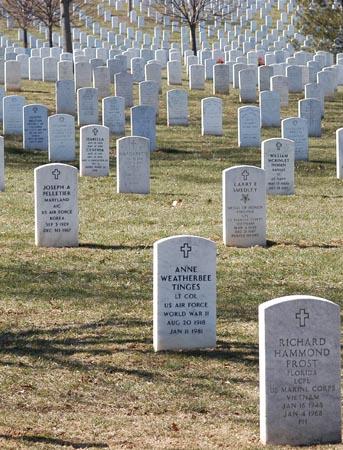
Memorial Day is a sacred day to all war veterans. America's collective consciousness demands that all citizens be reminded of the deaths of their fellow countrymen during wartime. By honoring the nation's war dead, we preserve their memory and thus their service and sacrifice. All U.S. flags should be displayed at half-staff during the morning hours, raised to full-staff at noon.
The Meaning of Memorial Day
Sacrifice is meaningless without remembrance. Far too often, the nation takes for granted the freedoms all Americans enjoy — freedoms paid for with the lives of others. That's why they are all collectively remembered on one special day. Attending commemorative ceremonies, placing flags at gravesites, marching in parades — these are the obligations of every patriot.
July 4
Independence Day
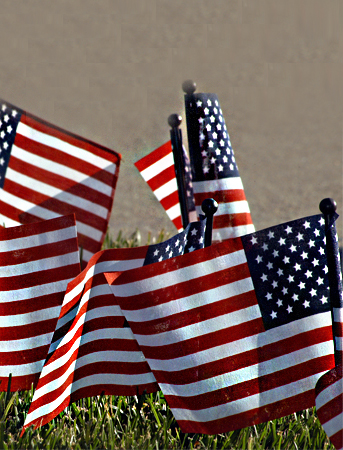
On July 4, 1776, the signers of the Declaration of Independence boldly asserted that all are "created equal, that they are endowed by their creator with certain unalienable Rights, that among these are life, liberty, and the pursuit of happiness."
With these words, our forefathers formed a new nation and put forth a vision of liberty and democracy that would forever alter history. Every Fourth of July, Americans celebrate this pivotal moment in our history, which set into motion the development of a land of freedom and opportunity unequalled in the world.
September 11
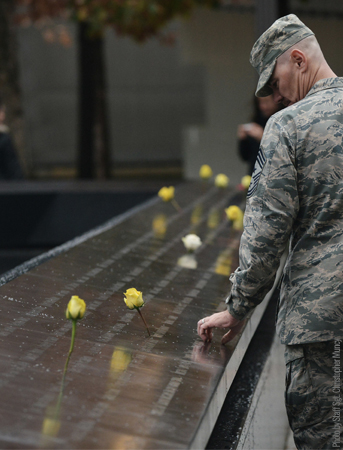
Patriot Day
Those whom we lost September 11, 2001, will forever hold a cherished place in our hearts and in the history of our nation. By a joint resolution approved December 18, 2001 (Public Law 107-89), Congress authorized the president to designate September 11 of each year as "Patriot Day."
This is to perpetuate the memory of those who perished in the attack on America and to pursue peace and justice in the world and security at home. Appropriate ceremonies include a moment of silence beginning at 8:46 a.m. EDT, remembrance services, and candlelight vigils. Flags should be flown at half-staff on Patriot Day.
May 1
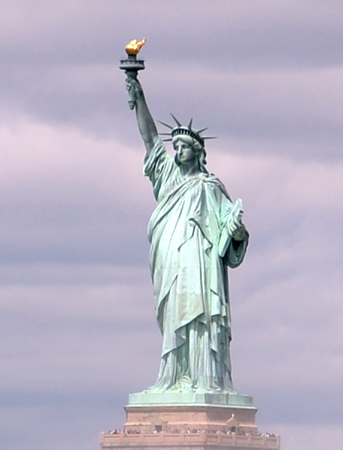
Loyalty Day
Loyalty Day originally began as "Americanization Day" in 1921 as a counter to the Communists' May 1 celebration of the Russian Revolution. On May 1, 1930, 10,000 VFW members staged a rally at New York's Union Square to promote patriotism.
Through a resolution adopted in 1949, May 1 evolved into Loyalty Day. Observances began in 1950 on April 28 and climaxed May 1 when more than five million people across the nation held rallies. In New York City, more than 100,000 people rallied for America. In 1958 Congress enacted Public Law 529 proclaiming Loyalty Day a permanent fixture on the nation's calendar.
Third Friday in September
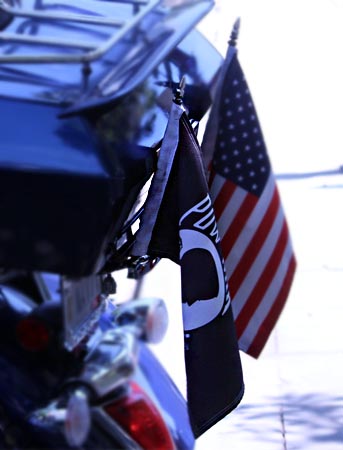
POW/MIA Recognition Day
POW/MIA Recognition Day honors the commitments and the sacrifices made by our nation's prisoners of war and those who are still missing in action.
National POW/MIA Recognition Day is one of the six days specified by law on which the black POW/MIA flag shall be flown over federal facilities and cemeteries, post offices, and military installations. We do not forget. We do not stop searching.
June 14
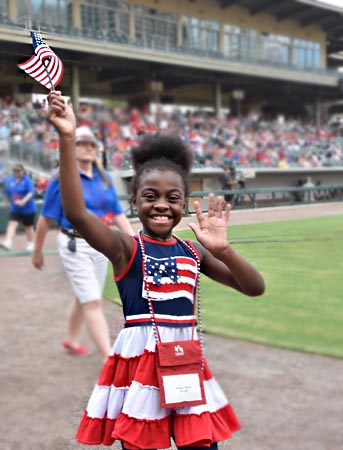
Flag Day
Flag Day celebrates the official symbol for the United States: our Stars and Stripes. Flag Day was first recognized by Congress on June 14, 1777. Not only is the U.S. flag older than the Union Jack of Great Britain and the tri-color flag of France, but it is also the only flag to have been flown on the moon.
The colors give special meaning: Red for valor and zeal; White for hope and cleanliness of life; Blue — the color of heaven — for reverence and loyalty. When you look at the flag, you are looking at the magnificent history of all Americans who have lived before you.